Currency
Boliviano (BOB)
Your complete guide to relocating, travel, cost of living and finances in Bolivia.
Photo: Christoph Strässler · CC BY-SA 2.0 · Wikimedia Commons
Currency
Boliviano (BOB)
Capital
Sucre (seat of government La Paz)
Official language
Spanish, Quechua, Aymara & more
Climate
Strongly altitude-dependent
Time zone
UTC−4 (BOT)
Dial code
+591
Population
approx. 12.7 million
Power plugs
Type A / C · often 230 V*
Choose a subpage for detailed information
Routes, sights, safety, best travel seasons & insider tips
Read moreVisa types, residency, entry rules, bureaucracy guides & residence rights
Read moreRent prices, grocery costs, health insurance, best neighborhoods & daily life
Read moreTax system, company formation, bank accounts & finances
Read moreWeeklyFresh weekly posts, reports & current developments in the country
Read moreBackground & lifestyle
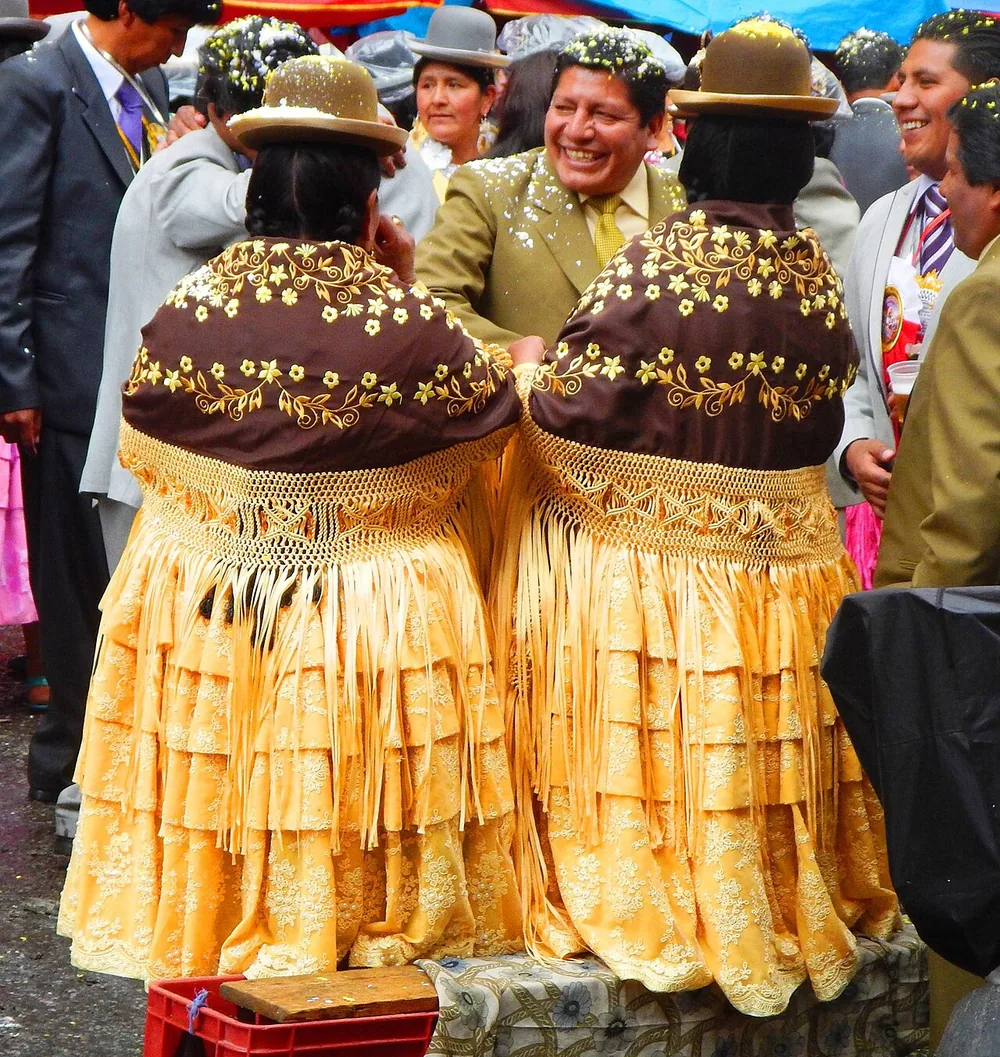
Bolivia is plurinational: Aymara, Quechua and many other Indigenous peoples shape daily life, dress and festivals — from Cholitas in La Paz to Carnaval de Oruro (UNESCO). Hospitality and community matter; pace differs sharply between the Altiplano and the tropical Oriente.
Photo: Jmillan325 · CC BY-SA 4.0
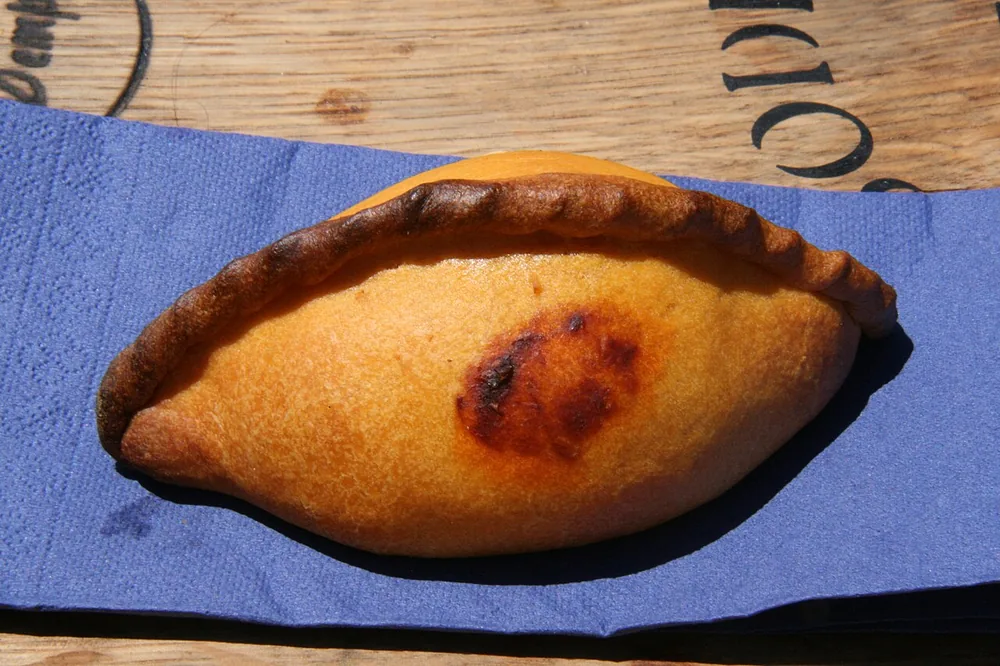
Salteñas, api with pastel, pique macho, peanut soup and Altiplano quinoa — Bolivian food is regional and hearty. Andes flavors are earthy and spiced; the lowlands lean tropical with yuca, plantain and Amazon fish.
Photo: Tamorlan · CC BY 3.0
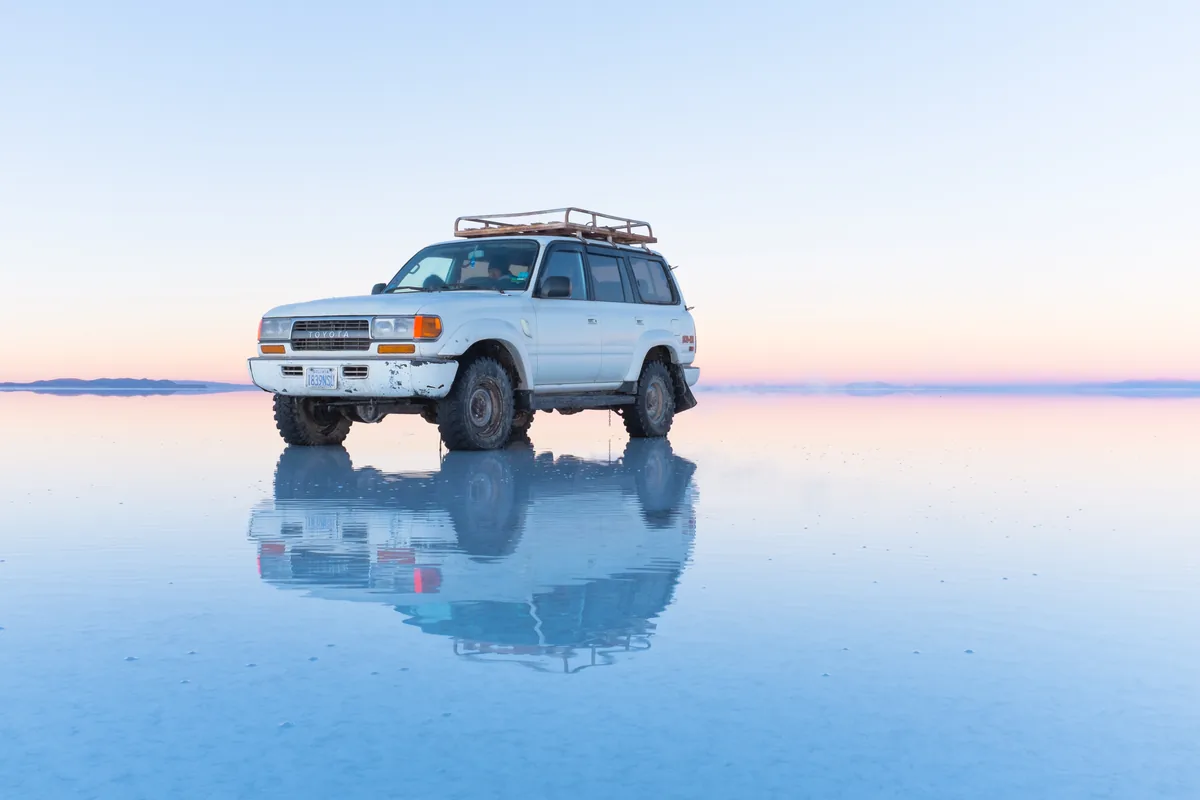
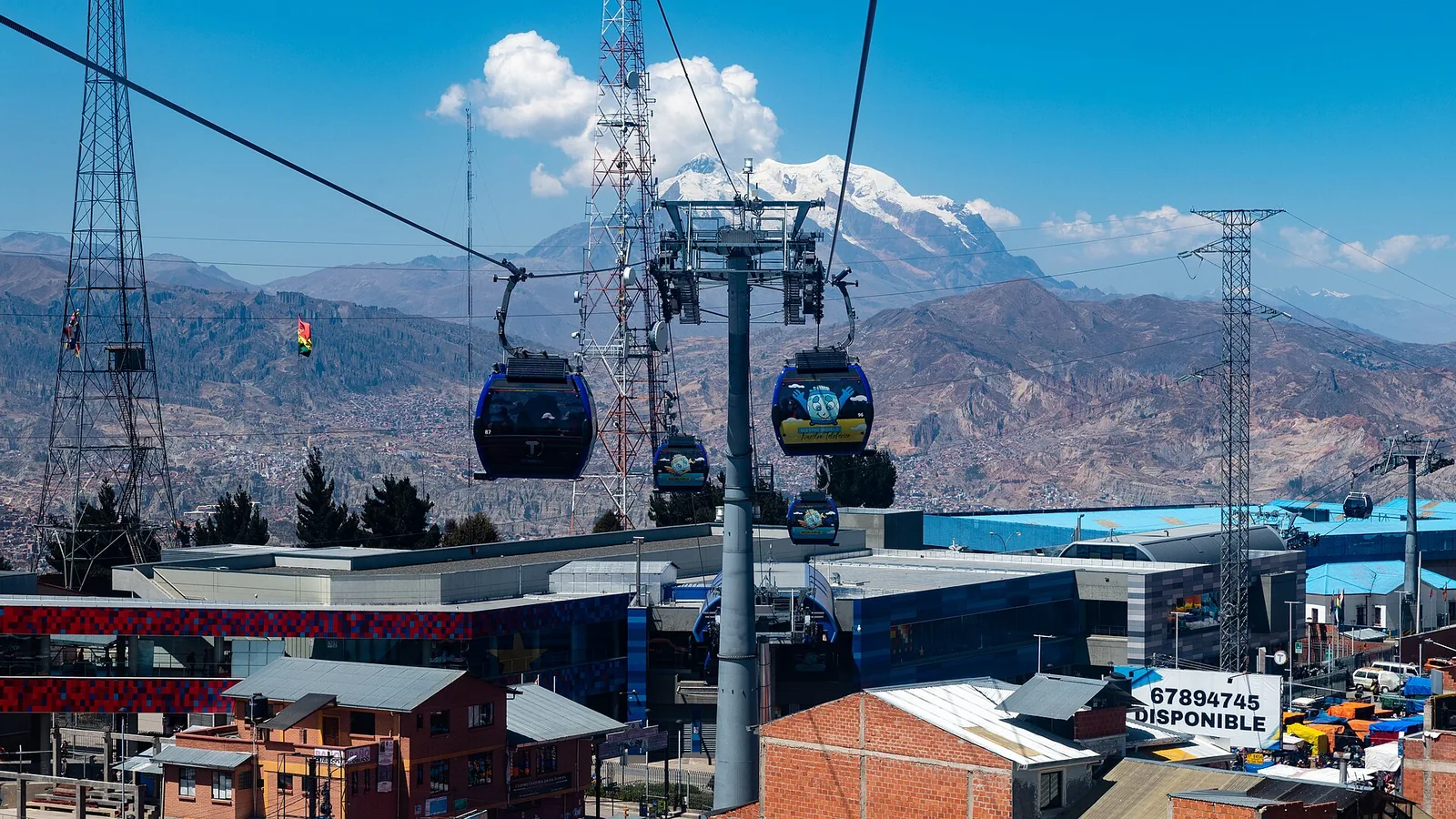
From Salar de Uyuni and Lake Titicaca to Illimani and the Amazon near Rurrenabaque: Bolivia spans over 4,000 m of altitude down to tropical lowlands. Climate follows elevation — acclimatize in La Paz/El Alto.
Photo: Christopher Crouzet · CC BY-SA 4.0