Currency
US dollar (USD)
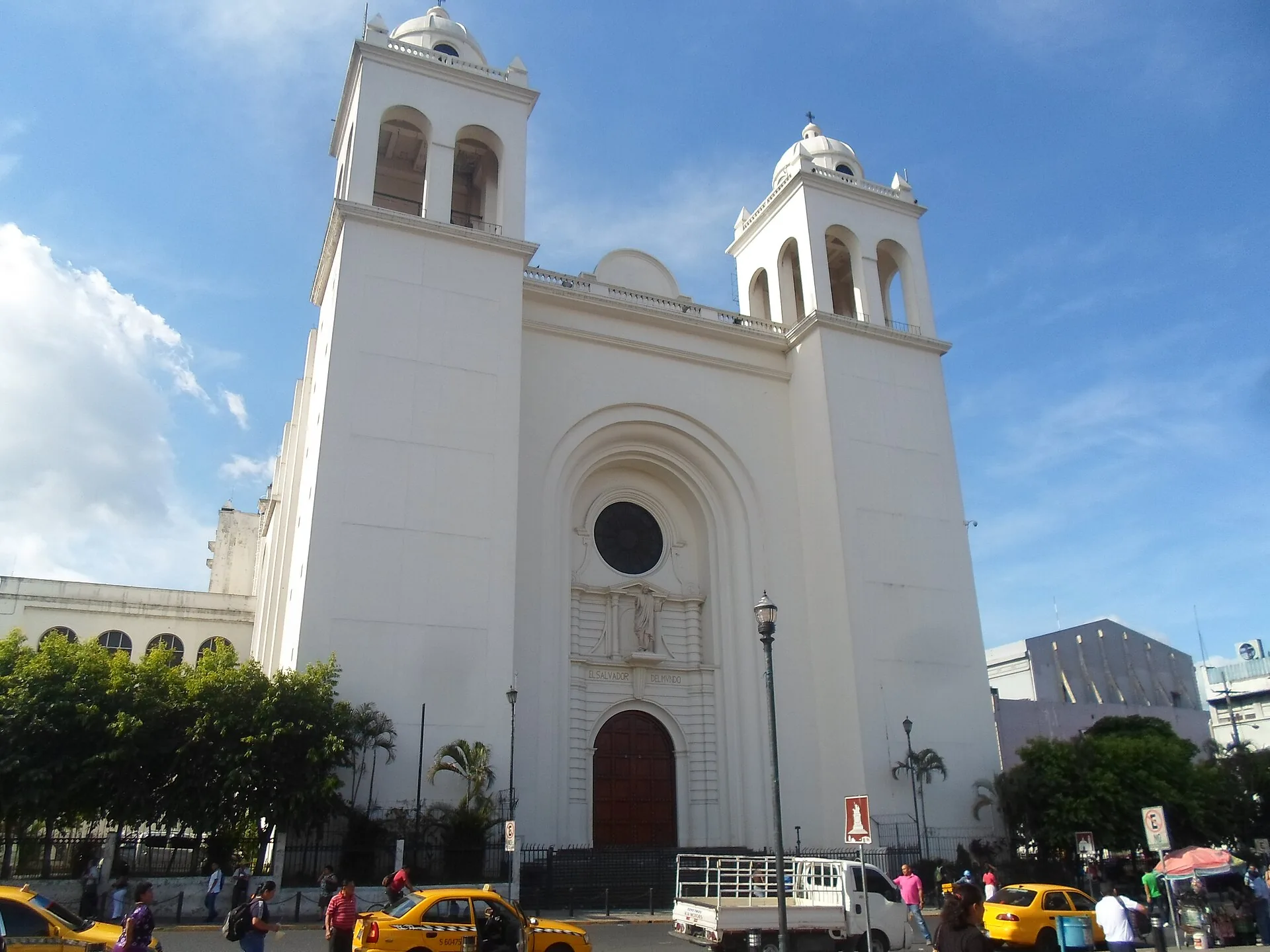
Your comprehensive guide to travel, immigration, cost of living and taxes in El Salvador.
Photo: Óscar Badillo Pérez · CC BY-SA 4.0 · Wikimedia Commons
Currency
US dollar (USD)
Capital
San Salvador
Official language
Spanish
Climate
Tropical · Pacific coast & volcanoes
Time zone
UTC−6 · no daylight saving
Dial code
+503
Population
approx. 6.3 million
Power plugs
Type A / B · 115–120 V
Choose a subpage for detailed information
Routes, sights, safety, best travel seasons & insider tips
Read moreVisa types, residency, entry rules, bureaucracy guides & residence rights
Read moreRent prices, grocery costs, health insurance, best neighborhoods & daily life
Read moreTax system, company formation, bank accounts & finances
Read moreWeeklyFresh weekly posts, reports & current developments in the country
Read moreBackground & lifestyle
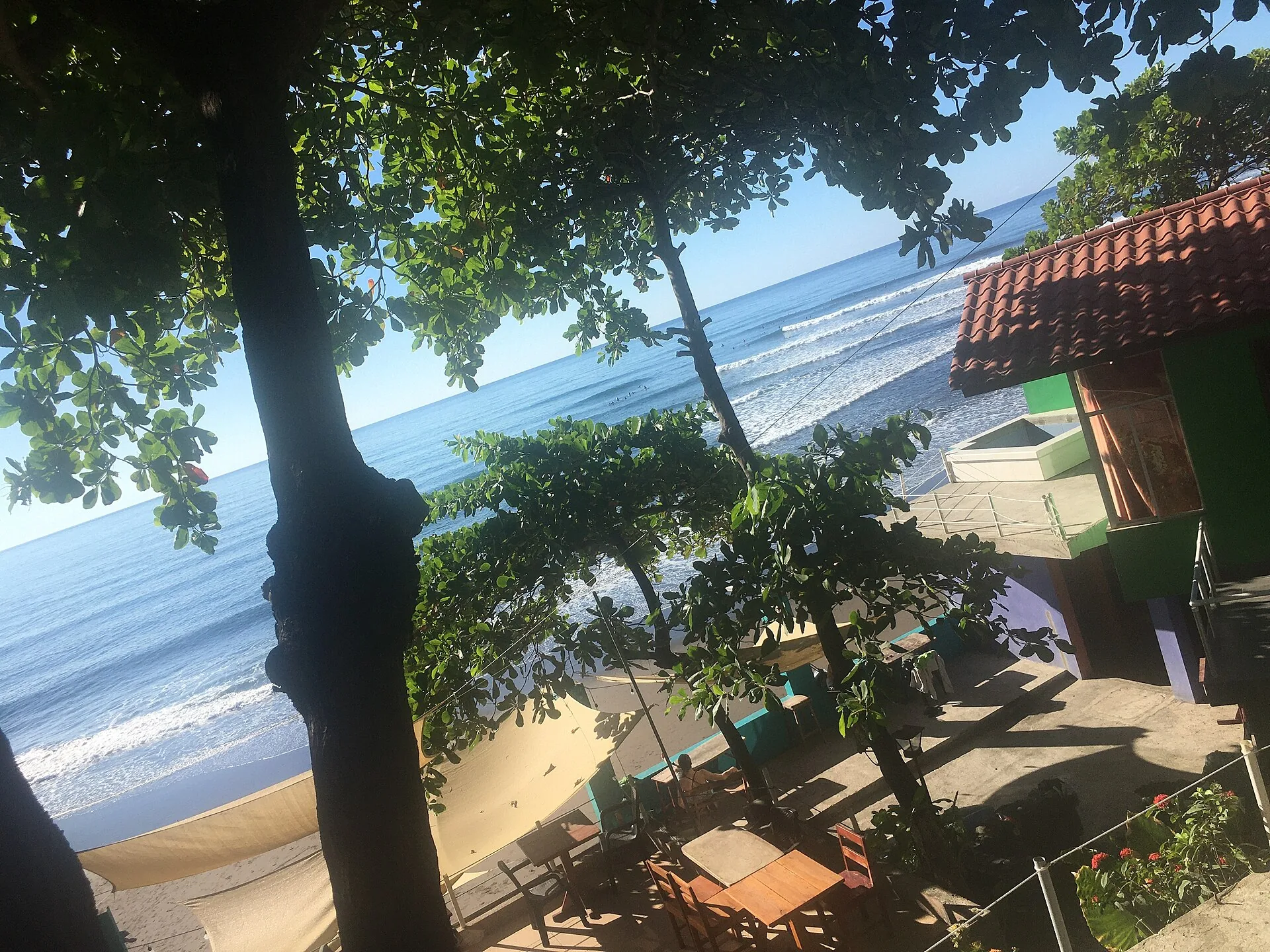
On the Pacific coast of La Libertad, El Tunco is one of the country’s best-known surf towns. The Surf City initiative promotes coastal spots with waves, hostels and beach life. Seasons and swell change; local schools and guides help beginners. Inland, the Ruta de las Flores (including Juayúa and Apaneca) links highland towns with markets and coffee culture.
Photo: Rodrigo var351 · CC BY-SA 4.0
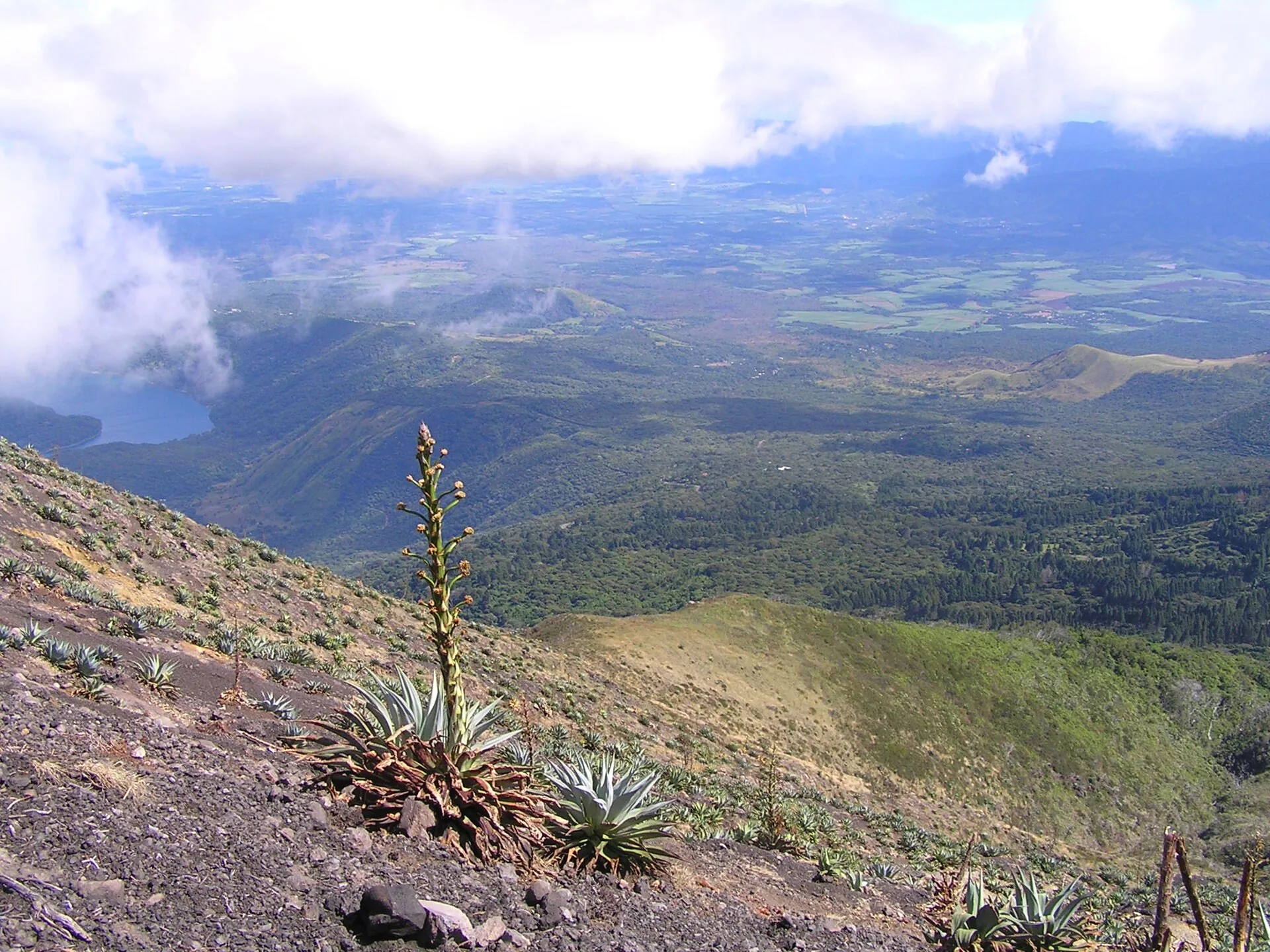
Santa Ana volcano (Ilamatepec) and crater lake Coatepeque shape the west. Hikes and viewpoints require current park and safety rules. In San Salvador, the Metropolitan Cathedral and National Palace anchor the historic centre — iconic capital landmarks.
Photo: ogwen · CC BY-SA 3.0
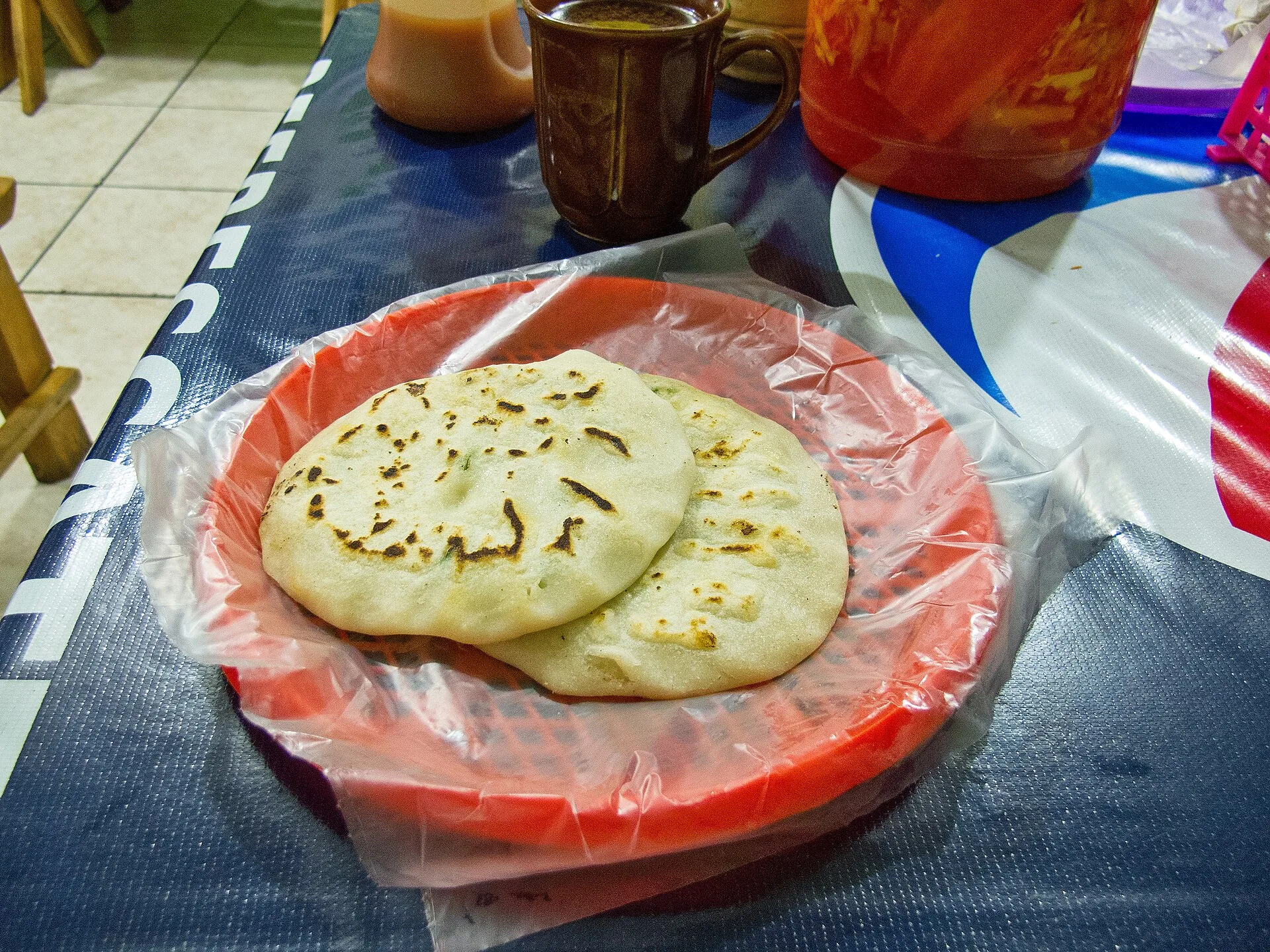
Pupusas — stuffed corn or rice tortillas — are the national dish, often served with curtido and salsa roja. Markets, pupuserías and festivals shape daily life. Spanish is official; indigenous traditions and a young tech scene are part of today’s picture.
Photo: Ll1324 · CC0